women greeting each other outside a church

About Mosaic Church

A Jesus Centered Church in Littleton, Colorado

We exist to help people know Jesus, find freedom, discover meaning, and make the world beautiful.

Looking for a Church
Community Near Littleton?

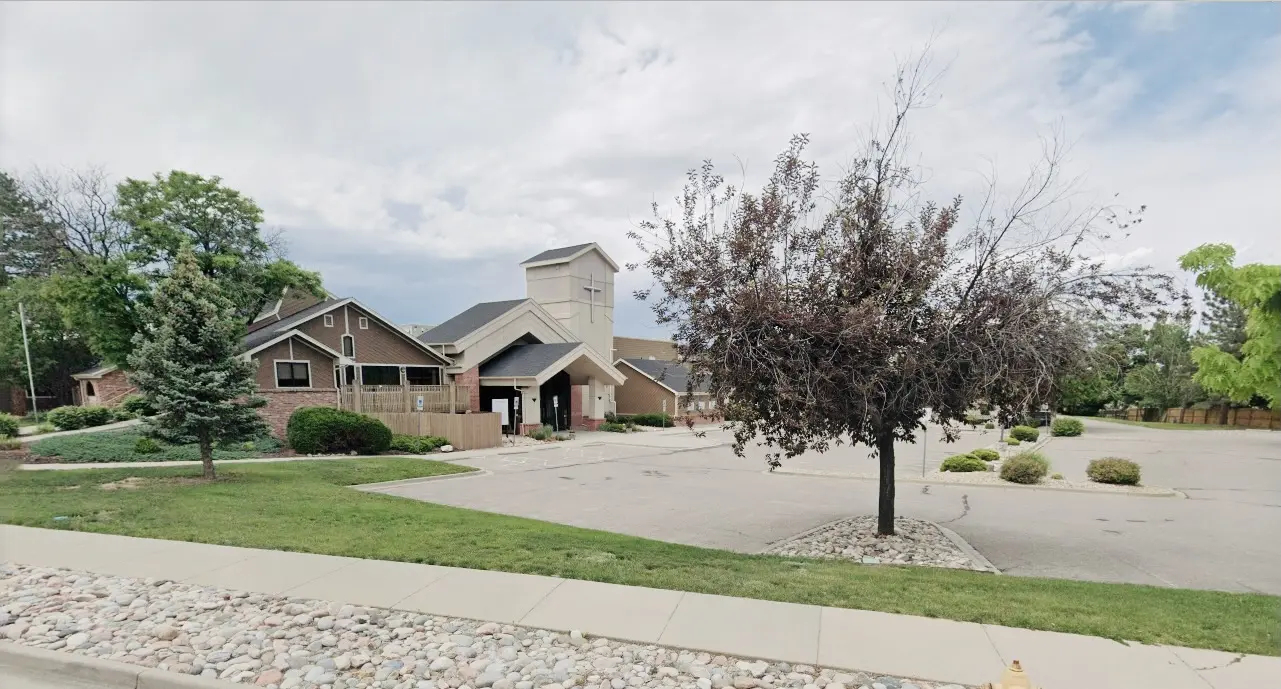
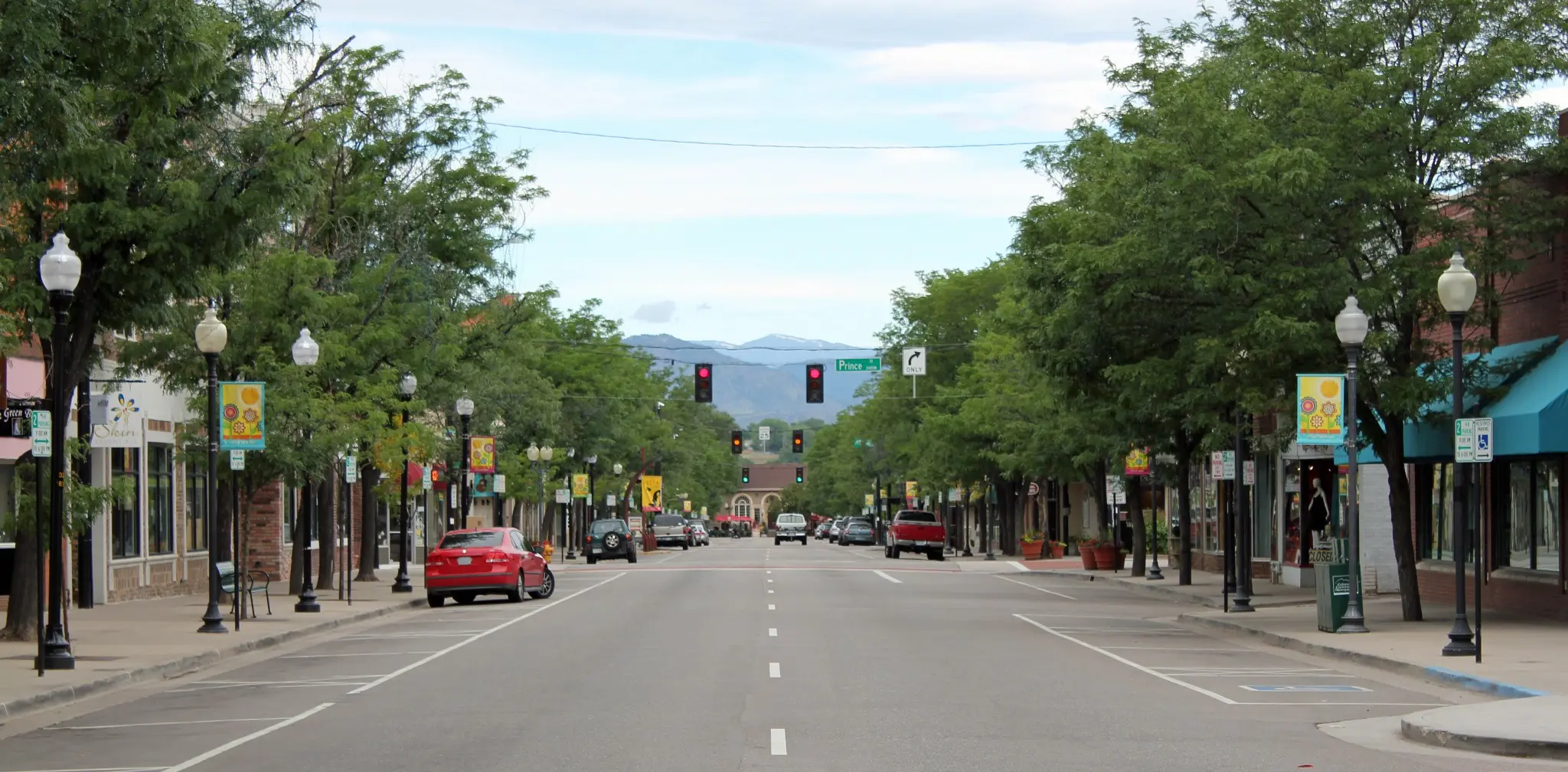
  • main street Littleton, Colorado

    Maybe you’re exploring where you might belong. Or you’re looking for a community where questions are welcome, growth happens naturally, and authenticity matters.

    At Mosaic, we believe faith is meant to be lived in community. You’ll find clarity about who we are, hope in the journey, and a place where genuine belonging is possible.


  • a group of four women posing for the camera

    Our Mission

    Helping people experience a Jesus centered life.

    At Mosaic, our mission is to invite people into a life of healing, purpose, and transformation through Jesus. We believe that a Jesus centered life is one where you discover that your life has meaning and that He offers us wholeness.

Your Journey Toward Wholeness

At Mosaic, you'll find a shared commitment to live a Jesus centered life and work together to make the world more beautiful. You'll discover space to grow spiritually, find authentic community, and join a mission to bring renewal and wholeness to a broken world.

Here's how that journey unfolds:

Learn More

Anchored in Truth, Rooted in Love, Committed to Unity

Mosaic Church Beliefs

Wondering what Mosaic Church believes? At Mosaic, we organize our beliefs into three categories: Die, Defend, and Discuss. This framework helps us stay clear about what matters most while remaining humble and gracious in areas where faithful Christians may disagree.

Core Beliefs We Would Die For

These are the non-negotiables of the Christian faith—the essential truths that define historic, biblical Christianity. They include the nature of God, the divinity of Jesus, salvation by grace through faith, the resurrection, and the authority of Scripture.

These are the non-negotiables of the Christian faith—the essential truths that define historic, biblical Christianity. They include the nature of God, the divinity of Jesus, salvation by grace through faith, the resurrection, and the authority of Scripture.

We believe Jesus physically rose from the dead, ascended into heaven, and will one day return in power. His resurrection is the guarantee that death is not the end. There will be a future resurrection of all people—those who trust in Jesus will be raised to eternal life, and those who reject Him will face eternal separation from God.

(Matthew 28:1–20; Mark 16:1–8; Luke 24:1–53; John 20–21; 1 Corinthians 15:12–34; John 14:3; Acts 1:11; 1 Thessalonians 4:16; Hebrews 9:28; 1 John 3:2; Revelation 1:7; Matthew 25:31–46; John 5:28–29; Acts 24:15)

The Bible says, “For God so loved the world that he gave his one and only Son, that whoever believes in him shall not perish but have eternal life.” – John 3:16 “This is good and pleases God our Savior, for he wants everyone to be saved and to come to understand the truth.” – 1 Timothy 2:3-4

We believe Jesus Christ is eternally God—the only Son of God, conceived by the Holy Spirit and born of the Virgin Mary. He lived a sinless life and offered Himself on the cross as the once-for-all sacrifice for the sins of the world. We believe in His bodily resurrection from the dead, His ascension into heaven, and His promised return. Jesus is not just someone to believe in; He is someone to follow with our whole lives.

(Matthew 1:18–25; 28:5–6; John 3:14–16; 11:25–26; Acts 1:9–11; Acts 2)

Salvation is a gift of grace that comes only through faith in Jesus Christ. By turning from sin and trusting in Him—His death and resurrection—we receive forgiveness from sins (past, present, and future), we are filled with the Holy Spirit, and we are reconciled to God; set free to live fully, and welcomed into God’s eternal Kingdom.

(John 3:18; 14:6; Acts 4:12; Romans 3:21–26; 1 Timothy 2:5–6)

The cross is the center of God’s redemptive story. On the cross, Jesus took our place, bearing the punishment for sin so that we could be forgiven and restored. For all who trust Him as Savior and follow Him as Lord, the cross changes everything. It now shapes how we live—with humility, sacrifice, generosity, and hope.

(John 1:29; 10:1–18; Romans 5:8; 1 Corinthians 15:1–4; 2 Corinthians 5:21; Galatians 1:4; 1 Peter 3:18)

We believe in one God—the Creator of all things—who exists eternally in three distinct persons: Father, Son, and Holy Spirit. God is relational, unified, and perfect in love.

(Deuteronomy 6:4; Isaiah 45:5–6; 46:9–10; John 17:3; 1 Corinthians 8:4–6; 1 Timothy 2:5; Genesis 1:26; Psalm 45:6–7; 110:1; Matthew 3:13–17; 28:18–20; 1 Corinthians 12:4–6)

Convictions That Shape Our Church

These are important theological convictions that influence how we teach, lead, and live out our faith at Mosaic. While not essential for salvation, they shape our culture and discipleship. We hold them with confidence, but not arrogance, knowing other faithful believers may see things differently. We will defend these ideas as a church family, but they are not worth dividing over.

We believe baptism is a public declaration of faith in Jesus Christ and an important step of obedience for every believer. We practice believer’s baptism by immersion, symbolizing the death, burial, and resurrection of Jesus. While baptism does not save, it powerfully communicates a person’s union with Christ and their inclusion in the family of God.

(Matthew 28:19–20; Acts 2:38–41; Romans 6:3–4; Colossians 2:12)

We believe the Church is the people of God, saved by grace and sent on mission. The Church is both global and local, diverse and unified, spiritual and embodied. We gather regularly to worship, grow, serve, and live on mission together. The Church is not perfect, but she is God’s chosen vehicle to display His love and make the gospel known.

(Matthew 16:18; Acts 2:42–47; Ephesians 2:19–22; Ephesians 4:11–16; 1 Peter 2:9–10)

We believe we are sent people—called to make disciples, serve the poor, love our neighbors, and join God in making the world more beautiful. Mission is not a side project of the Church; it is our identity. Every follower of Jesus is empowered by the Holy Spirit to live as a witness in word and deed wherever God has placed them.

(Matthew 28:18–20; John 20:21; Acts 1:8; Micah 6:8; 2 Corinthians 5:17–20; Colossians 3:17)

We believe the Lord’s Supper is a sacred act of remembering and proclaiming the death of Jesus until He returns. In the bread and the cup, we are reminded of His sacrifice and our dependence on His grace. While we do not believe the elements physically become Jesus’ body and blood, we believe He is spiritually present with us as we partake together in faith.

(Luke 22:19–20; 1 Corinthians 10:16–17; 1 Corinthians 11:23–26)

We believe in a literal heaven and hell. Those who trust in Jesus will be raised to eternal life in a restored creation where God dwells with His people. Heaven is not merely spiritual, but physical—a new heaven and new earth. Those who reject God’s offer of grace will face eternal separation from Him.

(Revelation 21:1–5; John 14:1–3; Matthew 25:31–46; Romans 6:23; 2 Thessalonians 1:8–9; John 5:28–29)

We believe the Holy Spirit is fully God and continues to empower, guide, convict, and comfort believers. He distributes spiritual gifts for the building up of the Church and the mission of God in the world. We are not cessationist—we believe the gifts of the Spirit are still active today and should be pursued and practiced with love, order, and humility.

(John 14:26; Acts 1:8; Acts 2:17–18; 1 Corinthians 12:4–11; Galatians 5:22–23; 1 Thessalonians 5:19–21)

We believe that every person is made in the image of God with inherent dignity and worth. We hold to a historic Christian view of sexuality—that sexual expression is designed by God for the covenant of marriage between one man and one woman. We also believe the Church must be a place of compassion, grace, and truth for all people, regardless of their story or struggle.

(Genesis 1:27; Genesis 2:24; Matthew 19:4–6; Romans 1:24–27; 1 Corinthians 6:9–11; John 1:14)

Topics That Require Humility and Dialogue

These are areas where the Bible gives room for mystery, tension, or different interpretations among believers. We don't take firm stances here as a church, but we encourage thoughtful, prayerful, and respectful conversation.

We believe Jesus will return one day to fully establish His Kingdom, make all things new, and bring perfect justice. While faithful Christians hold different views on how and when this will happen, we are united in our hope that history is moving toward the renewal of all things in Christ. We encourage thoughtful, biblically rooted discussion that centers on Jesus, not speculation.

(Matthew 24:36–44; Acts 1:11; 1 Thessalonians 4:16–18; Revelation 21:1–5)

We believe God is both sovereign and good, and that humans are both responsible and free. How these truths work together has been debated for centuries by faithful followers of Jesus. While Mosaic does not take a firm stance on either Calvinism or Arminianism, we invite honest and respectful dialogue that leads us deeper into awe, humility, and trust in God’s saving grace.

(Romans 8:29–30; Ephesians 1:4–11; John 6:44; 2 Peter 3:9; 1 Timothy 2:3–4)

We believe the spiritual realm is real. Angels and demons are described in Scripture as created beings with roles in God’s redemptive story. While they exist, our focus is not on the unseen world but on Jesus, who has authority over all things. We encourage believers to be aware but not obsessed, grounded in Scripture and shaped by the victory of the cross.

(Ephesians 6:10–12; Hebrews 1:14; Luke 10:17–20; Colossians 2:15; 1 Peter 5:8)

We believe Jesus is Lord over every part of life—including politics. But our ultimate allegiance is to His Kingdom, not any earthly party or platform. The Church should model unity across political differences, loving one another deeply and engaging public life with both conviction and humility. We aim to be biblically rooted, Spirit-led, and cross-shaped in how we navigate cultural and political issues.

(Matthew 22:21; Philippians 3:20; 1 Peter 2:13–17; Micah 6:8; John 17:20–23)

Decades of Faithfulness, Transformation, and Spirit-Led Unity

Mosaic is the result of God bringing broken pieces together to create something beautiful. Our story spans generations—and it's still being written.

A Humble Beginning

In 1954, John Zier moved from Kansas City to southwest Denver, stirred by a vision to plant a new church. That spring, a small group gathered for the first time as Jewell Baptist Church, meeting in the cafeteria of Johnson School.

What began as a handful of believers found a permanent home in 1955 in Denver’s Harvey Park neighborhood. This early season was marked by deep commitment, slow growth, and a steady presence in a new part of the city.

A Community on Mission

As the neighborhood evolved, so did the church. In 1967, Jewell Baptist became Southwest Baptist Church, better reflecting its growing relationship with the surrounding community.

Over the next several decades, the church became a beacon of grace, known for its dedication to international missions, biblical teaching, and spiritual formation. Through seasons of joy and challenge, God was laying a foundation of faithfulness.

New Vision, New Growth

In 1999, Southwest Baptist began a bold transition. With a heart to reach the next generation, they introduced contemporary services and reintroduced themselves as The Rock. The response was overwhelming.

By 2000, hundreds were attending weekly services. In 2003, the church moved into a new facility as The Rock of Southwest. This season was marked by multiplication and momentum—becoming a church-planting church and helping launch three new communities.

Merging for Mission

As The Rock grew, so did its vision. In 2014, the congregation began a significant building project. One year later, in a move of radical unity, The Rock of Southwest merged with Belleview Community Church—a partnership built on shared mission, humility, and faith.

By 2017, the newly united church moved into a new building and emerged as The Rock Community Church. In 2018, the church welcomed fresh leadership and soon after merged with Faith Mountain, one of its original church plants.

These steps were more than logistical—they were deeply spiritual decisions to unify around the person of Jesus and the calling to serve the city together.

A New Name for a Shared Identity

a pastor preaching on a stage

In 2020, the church stepped into a new identity as Mosaic: A Jesus-Centered Community.

The name reflects a deeper truth: that God takes broken, imperfect, diverse pieces and brings them together to form something beautiful. Mosaic represents who we are—not a perfect church, but a people being shaped by grace into something whole.

Born from the merger of three churches, Mosaic embodies both diversity and unity. Our story is one of transformation—of God taking separate communities, distinct cultures, and generations of faithfulness and forming something new: a shared identity rooted in Jesus.

In 2024, Pastor David stepped into leadership, ushering in a new season of clarity, focus, and forward movement. His leadership helped articulate what Mosaic has always been about: helping people move from brokenness to wholeness through Jesus.

From day one, this church has existed to help people encounter the love of Jesus and be formed into something new. That calling hasn't changed and only grows stronger. Mosaic is for people looking for something real. For people longing for hope, community, and purpose. For people who want to make the world more beautiful.
This is Mosaic. A place where stories collide, grace is real, and transformation is possible.
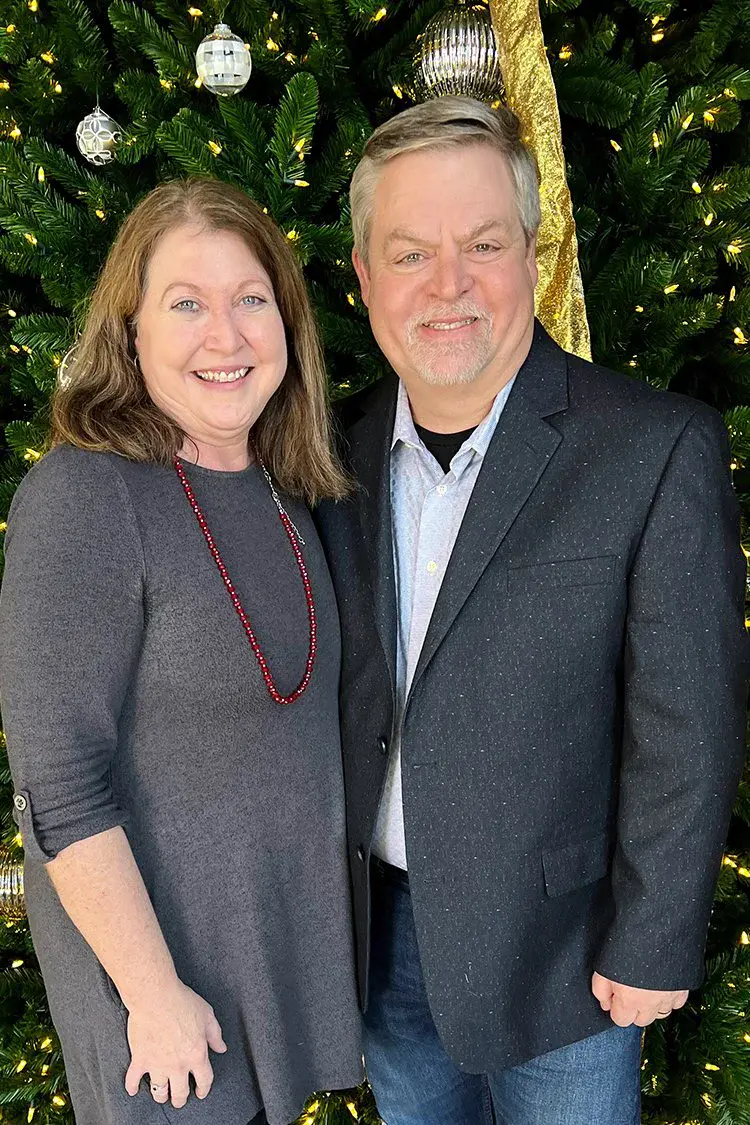
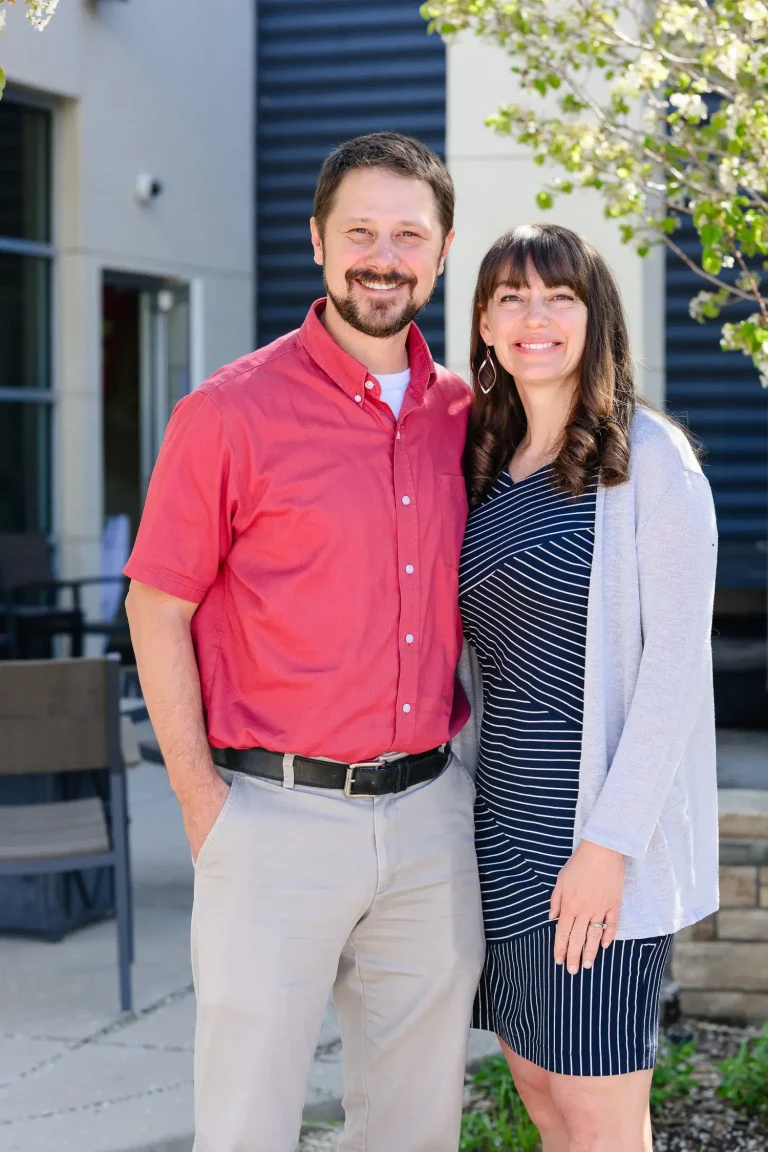
Our Elders & Wives

  • David & Tara Comstock

    David and Tara Comstock
  • Andy & Sarah Perlman

    Andy and Sarah Perlman
  • Mark & Neva Carlson

    Mark and Neva Carlson
  • Joe & Tracey Hall

    Joe and Tracey Hall
  • Steve & Serina Modugno

    Steve and Serina Modugno

Life at Mosaic

Ready to Learn More?

We'd love to officially welcome you into the Mosaic family. Join us for The Welcome on the 3rd Sunday of every month after service in the YTH Lounge. Your kids can stay in KidMo while you connect with us.